Top 10 Metal Forge Techniques Every Buyer Should Know?
In the world of metalworking, understanding the intricacies of Metal Forge techniques is essential. Paul McCarthy, a renowned expert in the metal forge industry, emphasizes that "Mastering these techniques not only enhances product quality but also improves efficiency." This insight highlights the importance of knowledge for both buyers and producers.
Metal forge techniques encompass various processes, each with its nuances. For instance, hot forging vs. cold forging can dramatically influence the final product's strength and appearance. Buyers need to grasp these differences to make informed decisions. Inadequate understanding can lead to poor choices that affect performance and safety.
Navigating the metal forge landscape requires a blend of practical knowledge and awareness of ongoing innovations. Each technique presents unique advantages and potential drawbacks. Engaging with suppliers who prioritize transparency can significantly enhance the buyer's journey. By fostering this knowledge, buyers can ensure they invest wisely and support a robust metal forge industry.
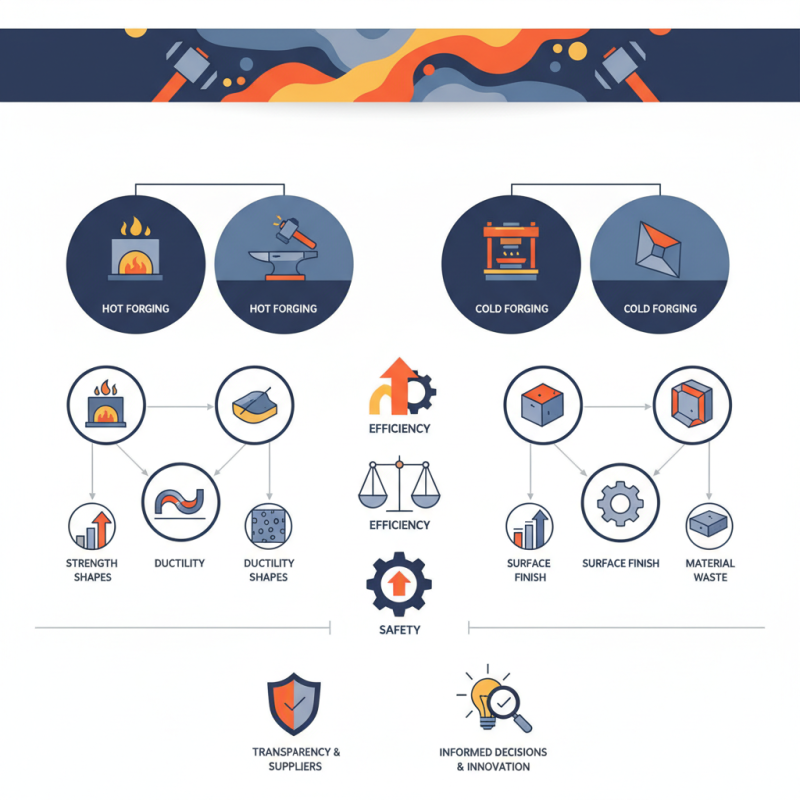
The Importance of Understanding Metal Forging Techniques in Procurement
Understanding metal forging techniques is crucial for buyers in the procurement process. Recent industry reports indicate that nearly 30% of manufacturing defects can be traced back to poor material selection and fabrication processes. This emphasizes the need for buyers to grasp the specifics of metal forging. Knowing the different techniques can lead to better decision-making and reduce the risk of quality issues.
One effective method is open-die forging, widely used for large components. It allows for flexibility in shaping and reduces residual stresses. Alternatively, closed-die forging provides precision for smaller parts but may require more upfront investment. Understanding these trade-offs helps buyers assess if they align with project requirements. Buyers must reflect on their choice of suppliers, given that 40% of procurement leads cite poor supplier knowledge as a major challenge. Selecting suppliers who demonstrate expertise in forging techniques can significantly impact product quality.
Moreover, the impact of forging temperature on mechanical properties can’t be overlooked. For instance, forging at high temperatures can enhance ductility but requires careful control. In contrast, low-temperature forging can enhance strength but may lead to brittleness. Buyers should probe suppliers about their processes to ensure they adopt the right techniques. Awareness of these nuances can bridge the gap between expectations and actual outcomes.
Key Differences Between Open-Die and Closed-Die Forging Methods
When exploring metal forging techniques, understanding the differences between open-die and closed-die methods is essential for buyers. Open-die forging allows for larger and simpler shapes. The metal is shaped between flat dies, granting flexibility in the process. This technique is ideal for producing large parts, like shafts and rings. According to industry reports, open-die forging can reduce material waste significantly—by more than 30% compared to some other methods.
Closed-die forging, on the other hand, is more suited for complex shapes. The molten metal is confined within a mold. This method achieves tighter tolerances and a smoother finish. A recent study found a 20% increase in efficiency when using closed-die forging for high-volume production. However, it can be more expensive, and the tooling costs can be substantial. It’s crucial to balance costs and production needs.
Tip: Consider the intricacy of the part before choosing a method. Evaluate your budget and production goals. In some cases, a hybrid approach may yield the best results. Buyers should be wary of the assumptions that only one method is superior. Each has its own strengths and weaknesses that could impact overall project success.
Impact of Temperature Control on Metal Durability and Performance
Temperature control is crucial in metal forging. It directly impacts the durability and performance of forged parts. When metals are heated, their molecular structure changes. If the temperature rises too high or falls too low, defects may arise. This can result in brittleness or malleability issues. Each metal has an optimal working temperature. Meeting this requirement ensures better quality and longevity.
The cooling phase is equally important. Rapid cooling can create stress fractures. On the other hand, slow cooling might lead to unwanted property changes. Forged components need consistent results. Monitoring temperature can help achieve this. However, it’s not an easy task. Variabilities in the environment, like humidity and airflow, can affect outcomes. It requires skilled expertise and careful observation. Professionals must remain vigilant throughout the process to ensure success.
In summary, understanding temperature control is a necessity in metal forging. Buyers should be informed of its impact on quality. Deficiencies in this area can lead to costly repairs or performance failures. Knowledge and precision should guide every decision made in the forging process.
Role of Forging Press Types in Production Efficiency and Cost-effectiveness
Forging presses play a crucial role in metal production efficiency. The type of press can directly impact costs and output quality. Different presses serve distinct purposes. For example, hydraulic presses are ideal for intricate designs, while mechanical presses excel at bulk production for simpler shapes.
When selecting a forging press, consider the production volume needed. High-volume production benefits from mechanical options due to their speed. However, if precision is vital, investing in hydraulic presses may lead to fewer defects. This decision might seem straightforward, but assessing long-term needs is essential.
**Tip:** Always analyze the specific requirements of your project before choosing a press type. Understanding the cooling rate, material type, and desired tolerances will enhance your final product. Don't overlook the importance of operator training. Skilled operators can optimize press performance, significantly affecting cost-effectiveness. Balancing between efficiency and quality can be a tricky endeavor.
Top 10 Metal Forge Techniques - Production Efficiency and Cost-effectiveness
Essential Quality Standards and Certifications for Metal Forged Products
When it comes to metal forged products, quality standards and certifications play a crucial role. Buyers must understand these criteria to ensure they receive reliable products. Certifications like ISO 9001 signify a commitment to quality management. They indicate that manufacturers uphold rigorous processes to maintain product excellence.
Another important certification is ASTM, which outlines specific requirements for various metal types. It helps guarantee that the forged items meet certain performance criteria under different conditions. Buyers should also consider industry-specific standards, such as those set for aerospace or automotive applications. These specialized standards ensure products can withstand extreme conditions.
Not all forged items meet these standards. Some may look perfect but fail under stress tests. This inconsistency can lead to severe consequences. It is essential to ask about testing methods and quality control processes. Relying on reputable skills and proven practices will enhance the quality of forged products. Always remember, excellence in metal forging isn't just about appearance; it’s about durability and reliability too.
Top 10 Metal Forge Techniques Every Buyer Should Know
| Technique | Description | Quality Standards | Certifications |
| Open Die Forging | A traditional method involving the shaping of metal using two flat dies. | ASTM A Forged Standards | ISO 9001 |
| Closed Die Forging | This process uses shaped dies to form metal into specific parts. | ASTM A Forged Standards | ISO 9001, AS9100 |
| Roll Forging | A process where metal is passed through rolls to achieve desired thickness and shape. | DIN, ASTM Standards | ISO 9001 |
| Mechanical Forging | Utilizes mechanical hammers or presses to form metal components. | ASTM, ISO Standards | ISO 9001 |
| Die Forging | Involves forming metal in specific shapes using pre-designed dies. | ASTM Standards | ISO 9001, PED |
| Multi-Stage Forging | Involves multiple forging processes to achieve complex shapes. | ASTM, ISO Standards | ISO 9001 |
| Closed Die Hot Forging | Hot forging process that forms metal in a closed die. | AMS Standards | ISO 9001, AS9100 |
| Cold Forging | Metal is formed at room temperature, resulting in enhanced strength. | ASTM, ISO Standards | ISO 9001 |
| Precision Forging | Offers tight tolerances and exceptional surface finish. | ASTM Standards | ISO 9001, IATF 16949 |